Protecting Your Pet’s Teeth: November Dental Care Tips

Protecting Your Pet’s Teeth: November Dental Care Tips
As the holiday season approaches and routines become busier, it is easy to overlook your pet’s dental health. However, November is the perfect time for pet owners in Urbana and surrounding communities to refocus on keeping their dogs and cats comfortable, happy, and healthy—starting with their smiles. At Urbana Veterinary Clinic, located at 985 Norwood Ave, Urbana, OH 43078, our veterinary team understands that oral health is a critical part of your pet’s overall well-being. In this blog, we will guide you through the signs of dental problems to watch for, explain why dental care matters during the autumn months, and share expert tips on both professional and at-home dental care. You will also learn when to schedule a dental checkup and how preventive oral health measures can keep your companion feeling their best. With our comprehensive pet dental services, including professional dental cleaning services for pets, Urbana Veterinary Clinic is here to help protect your pet’s teeth this November and beyond.
Recognizing Dental Problems in Dogs and Cats
Many dental issues in pets can develop quietly, often going unnoticed until they become painful or advanced. As a pet owner, being attentive to subtle changes can make all the difference. Common signs of dental trouble include persistent bad breath, which is often one of the earliest indicators that something is amiss. You may also notice reddened gums, visible tartar buildup, or yellow-brown staining on the teeth. If your dog or cat is dropping food, chewing on one side, or seems to be eating less enthusiastically, these behaviors can point to oral discomfort. In more severe cases, pets may show signs such as pawing at the mouth, reluctance to let you examine their teeth, drooling, or even swelling along the jawline. Cats may develop a decreased appetite or become more withdrawn, while dogs might whimper when chewing toys or refuse their favorite treats.
It is important to recognize that dental disease is not just about stinky breath or cosmetic concerns. Untreated dental problems can lead to infections, tooth loss, and even affect the heart, liver, or kidneys over time. The sooner you spot these symptoms and consult with our veterinary team, the sooner your pet can return to feeling comfortable and energetic.
Why Dental Disease Is Common in Pets , Especially in Autumn
Dental disease is one of the most prevalent health issues faced by dogs and cats, with the majority developing some degree of periodontal disease by the age of three. Several factors contribute to the development of dental problems. Genetics play a role; certain breeds, especially small dogs and some cat breeds, are prone to dental crowding and early tartar buildup. Diet is another significant factor. Pets that eat primarily soft or canned foods may not benefit from the natural cleaning action of chewing, which can allow plaque and tartar to accumulate more quickly.
As the weather turns colder in Urbana, pets may spend more time indoors and indulge in holiday treats or table scraps. These changes can increase the risk of dental issues, as sticky or sugary foods promote plaque formation. Additionally, the hustle and bustle of the holidays can disrupt home dental routines. Pet owners may unintentionally skip regular tooth brushing or delay veterinary visits during this busy time of year. All of these factors make November an ideal time to reassess your pet’s oral health and make a plan for the season ahead.
Professional Dental Care: What to Expect at Urbana Veterinary Clinic
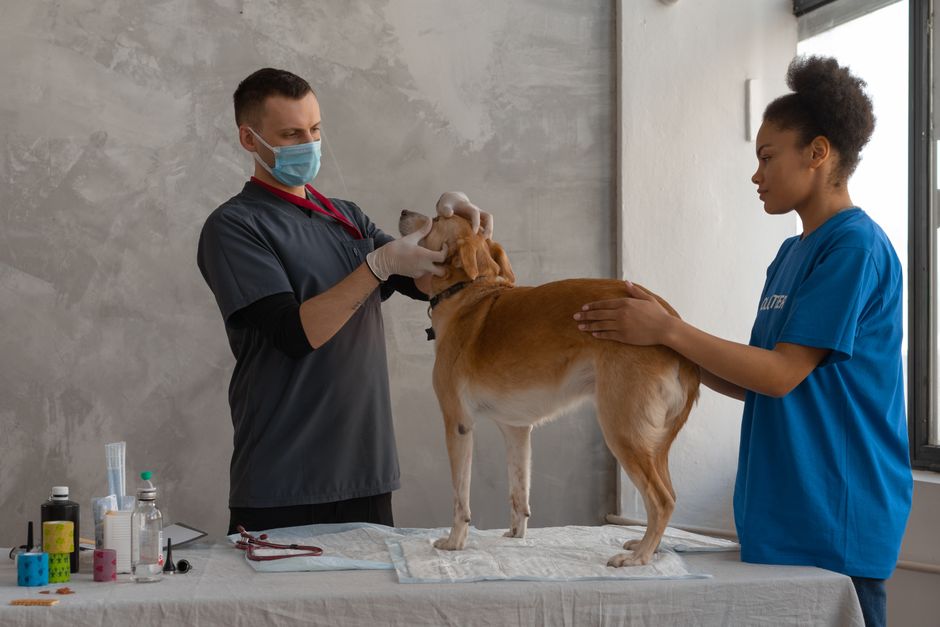
When it comes to maintaining and restoring your pet’s oral health, professional veterinary care is essential. At Urbana Veterinary Clinic, our comprehensive dental services begin with a thorough oral examination during your pet’s appointment. Our veterinarians will check for signs of gingivitis, loose or broken teeth, oral masses, and tartar buildup. If a dental cleaning is recommended, this procedure is performed under general anesthesia for your pet’s comfort and safety. Our veterinary team uses specialized equipment to remove plaque and tartar both above and below the gumline, areas that cannot be reached by brushing alone.
Dental radiographs may be taken to assess the health of tooth roots and jawbone, which helps uncover problems hidden beneath the surface. If necessary, our veterinarians can provide dental repair services for pets and dental filling procedures for pets, ensuring damaged teeth receive proper treatment. In cases where a tooth is severely diseased or fractured, tooth extraction services for pets may be recommended to relieve pain and prevent further complications. Throughout the process, your pet receives attentive monitoring and gentle care, and we offer guidance for a smooth recovery at home.
Our practice is equipped to handle even complex dental needs, including pet oral surgery services if oral masses or advanced conditions are discovered. You can trust our experienced veterinarians to develop a personalized treatment plan that prioritizes your companion’s comfort and well-being.
Preventive Dental Care at Home
While professional cleanings are vital, the foundation of good dental health is daily care at home. Establishing a consistent oral hygiene routine can dramatically reduce your pet’s risk of developing periodontal disease and other dental problems. Brushing your dog or cat’s teeth is one of the best ways to remove plaque before it hardens into tartar. Specially formulated pet toothpaste and soft-bristled brushes can make this process more pleasant. If your pet is new to brushing, start slowly and reward calm behavior to build positive associations.
In addition to brushing, dental chews and specially designed toys can help reduce plaque buildup, especially for dogs who enjoy chewing. There are also water additives and dental diets available that support oral health. However, these products should be used as supplements rather than substitutes for brushing and regular veterinary care. For cats, look for dental treats or toys that encourage chewing and help maintain healthy teeth.
It is important to avoid giving your pets hard objects like bones, antlers, or hard nylon toys, as these can fracture teeth. Instead, choose products approved by veterinary dental organizations or recommended by your veterinarian. Maintaining a balanced diet and providing fresh water at all times also contribute to a healthy mouth. Make dental care part of your daily pet routine, and do not hesitate to reach out to our veterinary team for advice on products or techniques tailored to your companion’s needs.
When to Schedule a Veterinary Dental Checkup
Even with diligent home care, most pets need professional dental cleanings at least once a year, and more often for those with a history of dental issues. You should schedule a dental examination if you notice any of the warning signs mentioned earlier, such as persistent bad breath, red or swollen gums, or difficulty eating. Puppies and kittens should have their mouths checked during their early visits to establish a healthy baseline, while senior pets may require more frequent monitoring as they become prone to age-related dental problems.
November is an excellent time to book a dental checkup, as catching problems early often means simpler, less invasive treatment. Our veterinarians can evaluate your pet’s oral health, recommend the best timing for professional cleanings, and discuss preventive measures to maintain a healthy smile year-round. If you are searching for a "vet near me" who provides thorough dental care for pets, Urbana Veterinary Clinic is here to support you at every stage of your companion’s life.
Frequently Asked Questions About Pet Dental Care
Pet owners often have questions about how to best care for their dog or cat’s teeth. One common concern is whether anesthesia is safe for dental cleanings. At Urbana Veterinary Clinic, we carefully screen each patient before the procedure and use advanced monitoring throughout to ensure your pet’s safety and comfort. Some owners wonder if certain breeds are more susceptible to dental disease. While all pets can develop dental issues, smaller breeds, short-nosed dogs, and certain cats are at higher risk due to tooth crowding or jaw shape.
Another frequent question is how to tell if a pet is experiencing dental pain. Since dogs and cats instinctively hide discomfort, look for subtle changes like decreased appetite, chewing on one side, or reluctance to play with toys. If you are ever unsure, our veterinary team is happy to examine your pet and provide recommendations.
Resources such as the American Veterinary Dental College (https://avdc.org) offer additional educational information about pet dental health, but nothing replaces a thorough assessment by your veterinarian. If you have concerns, do not delay scheduling an appointment with our team.
Keeping Your Pet’s Smile Bright Through the Holidays and Beyond
As we move into the busy autumn season, remember that a healthy mouth is key to your pet’s overall happiness and longevity. Regular dental care can prevent painful problems, reduce the risk of systemic illness, and help your companion enjoy every holiday treat safely. Urbana Veterinary Clinic is committed to providing exceptional dental services to pets in Urbana and the surrounding communities, from professional dental cleaning services for pets to advanced dental repair services for pets, dental filling procedures for pets, and more.
If you have noticed signs of dental disease or simply want to ensure your dog or cat’s teeth are in top shape, we encourage you to schedule an appointment with our veterinary team today. Call us at (937) 653-7326 or visit us at 985 Norwood Ave, Urbana, OH 43078 to book your pet’s dental checkup. When searching for a veterinarian near me who truly cares about your pet’s smile, Urbana Veterinary Clinic is your trusted local resource for comprehensive dental care and compassionate support. Let us help keep your companion’s teeth shining bright this season and all year long.