Managing Pet Allergies in Urbana: Fall Triggers and Relief Tips

Managing Pet Allergies in Urbana: Fall Triggers and Relief Tips
As autumn arrives in Urbana, OH, many pet owners look forward to cooler weather, colorful leaves, and spending more time outside with their dogs and cats. However, fall can also bring a new set of allergy challenges for pets. If you notice your dog or cat scratching more than usual, sneezing, or dealing with watery eyes as the seasons change, you are not alone. Fall allergens are common in our region, and pets can develop symptoms just like people do. At Urbana Veterinary Clinic, our team of veterinarians understands how frustrating seasonal allergies can be for both you and your pet. In this blog, we will help you recognize the signs of autumn allergies, explore why they occur, discuss treatment options, and share practical steps you can take at home to keep your pet comfortable. We will also guide you on when it is time to schedule an appointment at our 985 Norwood Ave, Urbana, OH 43078 location for professional support.
Recognizing Allergy Symptoms in Dogs and Cats
When fall allergies strike, your pet may show a range of symptoms that can affect their quality of life. It is important to know what to look for so you can act early. Common signs of allergies in pets include frequent scratching or licking, especially around the face, paws, and belly. You might notice red or inflamed skin, hair loss in certain areas, or small bumps and rashes. Pets with allergies may also experience watery eyes, sneezing, or a runny nose, and some develop ear infections or paw chewing. In some cases, you could observe digestive upset such as vomiting or diarrhea, especially if your pet is sensitive to certain foods or environmental allergens.
For dogs, persistent shaking of the head or scratching at the ears can indicate an ear infection related to allergies. Cats may be more subtle, but excessive grooming or hairballs can be a clue. If your pet seems restless, uncomfortable, or is keeping you up at night with constant itching, allergies may be the cause. Remember that these symptoms can overlap with other medical conditions, so a proper veterinary examination is essential for an accurate diagnosis.
Understanding Fall Allergy Triggers in Urbana
Fall in Urbana brings a unique set of allergens that can affect both people and pets. One of the main culprits is ragweed pollen, which peaks in late summer and early fall. As leaves begin to fall and decay, mold spores become more prevalent in the environment, especially in damp areas. Outdoor allergens can easily be brought indoors on your pet’s fur or paws, increasing their exposure.
Additionally, dust mites thrive as people close up their homes against the cooler air, and heating systems can stir up dust and other allergens. Some pets are also sensitive to changes in household products used during the fall, such as scented candles, cleaning agents, or laundry detergents. Fleas can remain active into the fall, and flea saliva is a powerful allergen for many dogs and cats.
Food allergies can sometimes flare up in the fall as well, particularly if you change your pet’s diet or introduce new treats. However, most fall allergy cases in Urbana are related to environmental factors rather than food sources.
Professional Treatment and Management Options
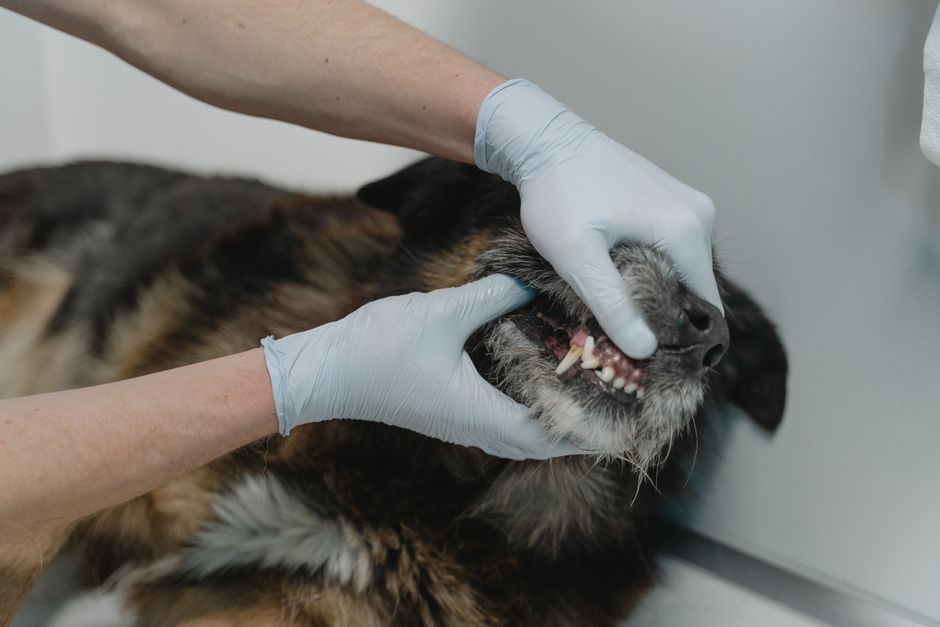
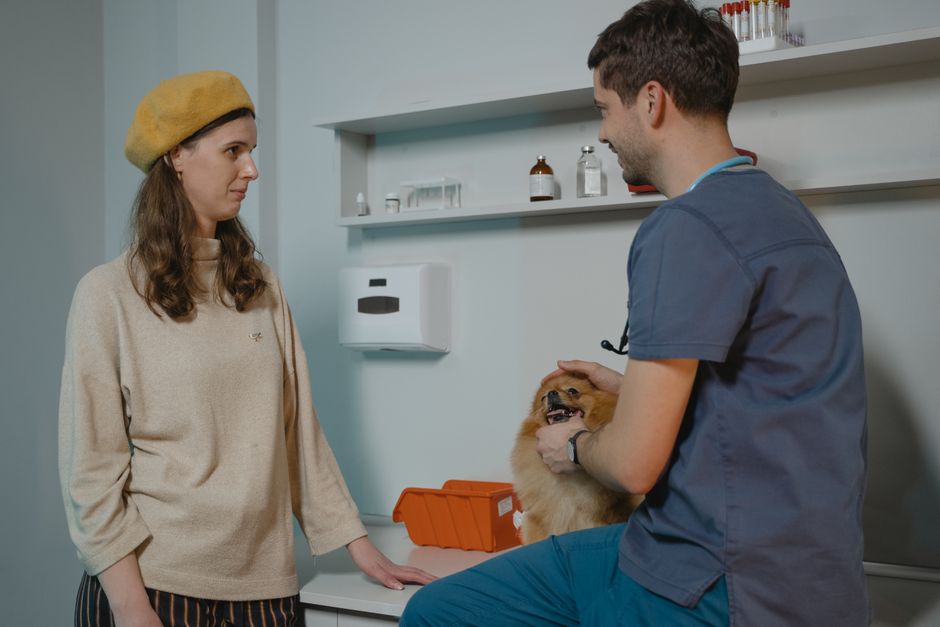
If your pet is struggling with allergy symptoms, Urbana Veterinary Clinic offers a range of diagnostic and treatment options tailored to your pet's needs. The first step is a thorough pet wellness examination to rule out other possible causes and identify the triggers. Depending on your pet’s symptoms, our veterinary team may recommend allergy testing services to determine whether pollen, mold, dust mites, or other substances are involved.
Treatment approaches vary depending on the severity and cause of the allergies. Options may include prescription antihistamines, medicated shampoos to soothe itchy skin, or topical ointments to reduce inflammation. For pets with more severe symptoms, your veterinarian might suggest immunotherapy or allergy injections, which can help desensitize your pet over time. Managing secondary infections, such as bacterial skin infections or ear infections, is also important and often involves antibiotics or antifungal medications.
If fleas are a contributing factor, effective flea prevention and control will be a key part of your pet’s allergy management plan. In some cases, dietary changes or hypoallergenic diets may be recommended if a food sensitivity is suspected. Our in-house pet diagnostic laboratory supports timely and accurate diagnosis, allowing us to create a treatment plan that brings your pet relief as quickly as possible.
At-Home Care and Prevention Tips
While professional care is essential for pets with moderate to severe allergies, there are several steps you can take at home to help reduce your pet’s exposure to fall allergens and keep them comfortable. Wiping your pet’s paws and coat with a damp cloth after outdoor walks can help remove pollen and mold spores before they come inside. Regular bathing with a veterinarian-approved shampoo may also help soothe itchy skin and remove allergens from your pet’s fur.
Vacuuming your home frequently, washing pet bedding in hot water, and using air purifiers can all contribute to a cleaner indoor environment with fewer allergens. Keeping windows closed during peak pollen times and minimizing outdoor activities on windy, high-pollen days can further reduce your pet’s exposure. If your pet is prone to ear or skin infections, follow your veterinarian’s recommendations for cleaning and maintenance.
Continue your pet’s flea prevention program throughout the fall, as fleas can still be active even after the weather cools. When introducing new products such as cleaners or air fresheners, monitor your pet for any signs of sensitivity and opt for unscented, pet-safe alternatives when possible. Feeding a balanced, high-quality diet and making changes gradually can help support your pet’s overall immune health.
When to Schedule a Veterinary Visit
While mild allergy symptoms can sometimes be managed at home, it is important to know when to seek professional help. If your pet’s itching, redness, or discomfort is persistent, or if you notice signs such as open sores, hair loss, chronic ear infections, or changes in appetite or behavior, a veterinary visit is needed. Sudden swelling of the face or limbs, difficulty breathing, or repeated vomiting requires immediate attention.
Chronic allergies can significantly impact your pet’s quality of life and may lead to secondary issues like skin infections or ear problems if not addressed promptly. If you are unsure whether your pet’s symptoms are related to allergies, our team at Urbana Veterinary Clinic can perform a comprehensive evaluation and recommend the best next steps. Early intervention can reduce your pet’s discomfort and prevent complications.
To get to the root of your pet’s symptoms, you may benefit from our allergy testing services or a full pet wellness examination. Our veterinarians will take the time to answer your questions, discuss treatment options, and help you develop a plan that fits your pet’s unique needs.
Supporting Your Pet’s Health This Fall
Helping your pet manage fall allergies requires a combination of prevention, attentive care, and professional veterinary support. By staying alert to the signs of allergies and taking proactive steps at home, you can make a big difference in your pet’s comfort and happiness throughout the season. Do not hesitate to reach out if symptoms persist or worsen—the sooner your pet receives appropriate care, the sooner they can get back to enjoying autumn by your side.
If you are searching for a veterinarian near me who understands the unique needs of pets in Urbana and the surrounding communities, Urbana Veterinary Clinic is here to support you. Our veterinary team is dedicated to providing compassionate, comprehensive care for your dogs and cats, whether you need a routine exam, allergy testing, or advanced treatment options. Schedule an appointment at our convenient 985 Norwood Ave, Urbana, OH 43078 location or call us at (937) 653-7326 to discuss your pet’s allergy concerns. For more information about allergy testing and our other services, visit our allergy testing services or pet diagnostic laboratory pages. Together, we can help your pet breathe easier and enjoy a healthier, happier fall season.
This blog is intended for informational purposes only and is not a substitute for professional veterinary advice. Always consult your veterinarian for specific concerns about your pet’s health.