Late Summer Parasite Prevention Tips for Urbana Pets


Late Summer Parasite Prevention Tips for Urbana Pets
As August arrives in Urbana, OH, the warmth and humidity can mean more than just longer evenings outside for you and your pets. It also signals a peak time for fleas, ticks, and mosquitoes—the pests responsible for many of the most common and troublesome parasites affecting dogs and cats. At Urbana Veterinary Clinic, we know how important it is to keep your furry companions healthy and comfortable through the end of summer. In this blog, we’ll help you recognize the signs of summer parasites, explain why they’re a concern during late summer, and share actionable prevention strategies. You’ll also learn when it’s time to schedule a veterinary checkup at our 985 Norwood Ave, Urbana, OH 43078 location, and how our veterinary team can support your pet’s wellbeing with comprehensive care.
Whether you’re worried about itchy skin, sudden scratching, or the threat of heartworm disease, our team is here to guide you through late summer parasite protection with expertise and compassion. Read on for everything you need to know about keeping your dog or cat parasite-free this season.
Recognizing the Signs of Summer Parasites in Your Pet
Late summer brings an increase in parasite activity, and it’s crucial for pet owners to know what to watch for. Flea infestations often become apparent when your pet is scratching more than usual, biting at their skin, or experiencing hair loss, particularly around the base of the tail or along the back. You might also notice tiny dark specks—commonly called "flea dirt"—on your pet’s skin or bedding, which indicate the presence of fleas.
Ticks are another late summer threat. They often appear as small, hard bumps attached to the skin, usually in less visible spots such as under the collar, around the ears, between the toes, or in armpits. Ticks can be as small as a sesame seed or, after feeding, as large as a small grape. Be alert for signs of Lyme disease and other tick-borne illnesses, which can include joint swelling, lethargy, or sudden lameness.
Mosquitoes are the main carriers of heartworm disease. Unlike fleas and ticks, you might not see the mosquitoes that bite your dog or cat, but you can watch for symptoms of heartworm infection. These may include a persistent cough, reduced exercise tolerance, unexplained weight loss, or labored breathing—though some pets show no outward signs until the disease is advanced.
If you notice any of these signs, it’s important to take them seriously. Early detection not only protects your pet’s health but can also prevent more severe problems down the road.
Why Are Parasites Such a Problem in Late Summer?
Urbana’s warm, humid climate in August creates perfect breeding conditions for fleas, ticks, and mosquitoes. These pests thrive in tall grasses, wooded areas, and even in your own backyard. Fleas reproduce rapidly, with a single female laying dozens of eggs each day. Ticks become more active as temperatures remain favorable, seeking out hosts for their next meal. Mosquito populations also surge after rain or in areas with standing water.
Many pet owners assume that parasite risks drop after spring, but in reality, late summer can be the most dangerous time. Flea populations often peak in August and September, while ticks remain active well into the fall. Mosquitoes continue to bite as long as temperatures stay above 50°F. The risks are present whether your pet spends time hiking, lounging in the yard, or simply going for walks around the neighborhood.
Additionally, parasite infestations can spread quickly in multi-pet households or when pets socialize at parks or boarding facilities. Even strictly indoor cats are at risk, as fleas and mosquitoes can enter the home through open doors or windows.
Understanding this seasonal surge is the first step to staying ahead of parasites and keeping your pet safe.
Professional Treatment and What to Expect at Urbana Veterinary Clinic
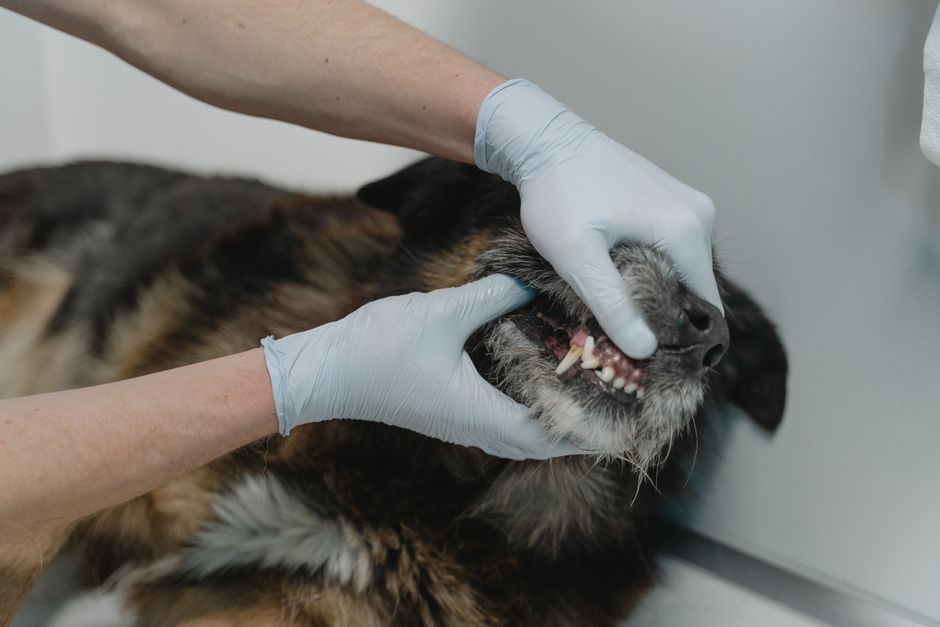
If your pet is showing signs of fleas, ticks, or heartworm disease, the best course of action is to schedule an appointment with our veterinary team. At Urbana Veterinary Clinic, we offer a thorough approach to parasite management, starting with a comprehensive examination. Our veterinarians will check your pet’s skin, coat, and overall health, and may recommend diagnostic tests, such as a skin scrape, bloodwork, or a heartworm test to identify or rule out infections.
Treatment for fleas and ticks typically involves prescription-strength topical or oral medications that eliminate adult parasites and prevent new infestations. If your pet has a severe infestation, additional measures such as medicated baths or environmental treatments for your home may be recommended. Ticks are carefully removed by our team to minimize the risk of disease transmission, and we may advise follow-up monitoring for symptoms of tick-borne illnesses.
When it comes to heartworm disease, prompt diagnosis is crucial. If a pet tests positive for heartworms, treatment involves a series of specialized injections, strict exercise restriction, and ongoing monitoring. Prevention is far simpler than treatment, which is why we strongly recommend year-round heartworm preventives for all dogs, and for cats in risk-prone households.
Our clinic also provides wellness examinations designed to detect early signs of parasite problems and review your pet’s parasite prevention plan. With in-house diagnostics and a wide range of safe, effective parasite control products, we make it easy to keep your pet protected throughout late summer and beyond.
Preventing Parasites at Home: Practical Tips for Pet Owners
Keeping your pet parasite-free in Urbana starts with a consistent prevention routine. One of the most important steps is using veterinarian-recommended flea, tick, and heartworm preventives all year long. Our veterinary professionals can help you choose the right product for your pet’s species, age, and lifestyle, and remind you when it’s time for a refill or a dose.
Regularly inspect your pet—especially after outdoor activities in grassy or wooded areas. Running your hands through your dog or cat’s coat and checking around the face, ears, neck, and paws can help you spot ticks before they transmit disease. Promptly remove any ticks you find using proper technique to avoid leaving mouthparts behind.
Keep your yard tidy by mowing grass, trimming shrubs, and removing piles of leaves or debris where fleas and ticks can hide. Reducing standing water—such as in birdbaths or buckets—will lower mosquito populations near your home.
Frequent cleaning of your pet’s bedding, vacuuming carpets, and washing soft furnishings can disrupt the flea life cycle indoors. If you have more than one pet, ensure that all animals are protected, as fleas can spread rapidly between them.
Finally, minimize exposure to high-risk areas during peak parasite activity whenever possible. Avoid walking your dog through tall weeds or letting cats roam outdoors at dusk, when mosquitoes are most active.
When to Schedule a Veterinary Visit for Parasite Concerns
Parasite prevention works best when paired with regular veterinary checkups and prompt attention to any signs of trouble. We recommend scheduling a visit if your pet is scratching excessively, develops skin irritation, or if you find fleas or ticks on their body. Other reasons to contact our clinic include a persistent cough, sudden lethargy, unexplained weight loss, or any symptoms that could indicate heartworm disease.
Annual wellness examinations are a cornerstone of effective parasite prevention. During these visits, our veterinarians can update your pet’s prevention plan, recommend the appropriate parasite control products, and provide routine pet vaccinations to guard against diseases that parasites may transmit.
If you’re unsure whether your pet is due for a checkup or need help selecting the right preventive, our team is happy to answer your questions and provide guidance tailored to your situation. You can easily book your appointment online or give us a call for personalized assistance.
Keeping Urbana Pets Safe: Why Choose Urbana Veterinary Clinic
At Urbana Veterinary Clinic, our commitment to your pet’s health extends beyond treatment—we’re your partners in prevention. By staying proactive with parasite protection, you can help your dog or cat enjoy a comfortable, itch-free end to summer and reduce the risk of serious illness. Our veterinarians use the latest diagnostics, safe and effective medications, and a personalized approach to keep each pet protected according to their unique needs.
When searching for a veterinarian near me, look for a team that offers comprehensive care, ongoing preventive services, and a genuine commitment to your pet’s wellbeing. Our location at 985 Norwood Ave, Urbana, OH 43078 is convenient for families in Urbana and surrounding communities, making it easy to access the care your pet deserves.
If you have questions about late summer parasite prevention, want to update your pet’s prevention plan, or need to schedule a wellness visit, our veterinary professionals are here to help. Call us at (937) 653-7326 or request an appointment online today. Together, let’s keep your pets happy, healthy, and protected through every season.
This blog is intended for informational purposes only and does not replace professional veterinary advice. If you notice symptoms of illness or have concerns about your pet’s health, contact your veterinarian promptly.