Keeping Your Dog Safe From Fall Toxins in Urbana

Keeping Your Dog Safe From Fall Toxins in Urbana
Autumn in Urbana, Ohio, is a beautiful season, filled with crisp air, vibrant leaves, and inviting walks with your dog. However, as the scenery changes, so do the dangers facing pets—especially when it comes to seasonal toxins. At Urbana Veterinary Clinic, we understand that your dog is a cherished member of your family, and keeping them safe is always a priority. As October rolls in, it’s important for pet owners in Urbana and surrounding communities to recognize the hidden hazards that can threaten your dog’s health during the fall months.
In this blog, we’ll explore the most common autumn toxins that can affect dogs, from wild mushrooms popping up in your yard to antifreeze spills and increased use of rodenticides. You’ll learn how to spot potential risks, what symptoms to watch for, and practical steps you can take to keep your dog safe at home and outdoors. We’ll also explain how our veterinary team at Urbana Veterinary Clinic can help if you suspect your dog has been exposed to a toxin. Our goal is to help you enjoy the fall season with peace of mind, knowing your dog is protected from seasonal dangers.
Recognizing the Signs of Fall Toxin Exposure in Dogs
Understanding when your dog may have been exposed to a toxin is critical to ensuring quick and effective care. Dogs are naturally curious, often exploring their environment with their noses and mouths, which can lead to accidental ingestion of harmful substances. During the fall, common symptoms of toxin exposure include sudden vomiting, diarrhea, excessive drooling, weakness, unsteady gait, tremors, or seizures. You might also notice more subtle signs such as increased thirst, unusual lethargy, or changes in appetite. In some cases, dogs may become disoriented or display unusual behavior.
If your dog has been in areas where mushrooms grow, where rodenticides are present, or has had access to garages and driveways where antifreeze might be spilled, it’s important to watch for these symptoms. Acting quickly can make all the difference in your dog’s recovery. Early recognition and prompt veterinary attention are essential, so don’t hesitate to bring your dog in for a pet wellness examination if you notice any of these warning signs.
Common Fall Toxins: What Puts Dogs at Risk in Urbana
As the weather cools, several seasonal hazards become more prevalent in Urbana and surrounding communities. Understanding these risks can help you take proactive steps to protect your dog.
Wild Mushrooms
Autumn is prime time for mushrooms to appear in lawns, parks, and wooded areas. While not all mushrooms are toxic, many species can cause severe illness or even death in dogs. Some mushrooms contain toxins that affect the liver, kidneys, or nervous system. Because it’s difficult to distinguish safe from dangerous varieties without expert knowledge, it’s safest to assume all wild mushrooms are potentially harmful to your dog.
Rodenticides
With cooler temperatures driving rodents indoors, many homeowners turn to rodenticide products to control pests. Unfortunately, these baits are highly toxic to dogs and can cause internal bleeding, seizures, or organ failure. Dogs may be attracted to the scent or flavor of rodenticide pellets, or they might ingest a poisoned rodent. Even small amounts can be life-threatening.
Antifreeze (Ethylene Glycol)
Antifreeze is commonly used in vehicles as temperatures drop, but it poses a serious risk to dogs. Just a small sip can cause rapid kidney failure; the sweet taste of antifreeze makes it especially tempting to pets. Antifreeze poisoning progresses quickly and requires immediate veterinary intervention.
Other Fall Hazards
Additional dangers include compost piles, which may harbor moldy food or toxins, and certain plants that are more accessible as gardens are cleared for winter. Cocoa mulch, which contains theobromine, is also dangerous for dogs if used in landscaping.
How Veterinary Professionals Diagnose and Treat Toxin Exposure
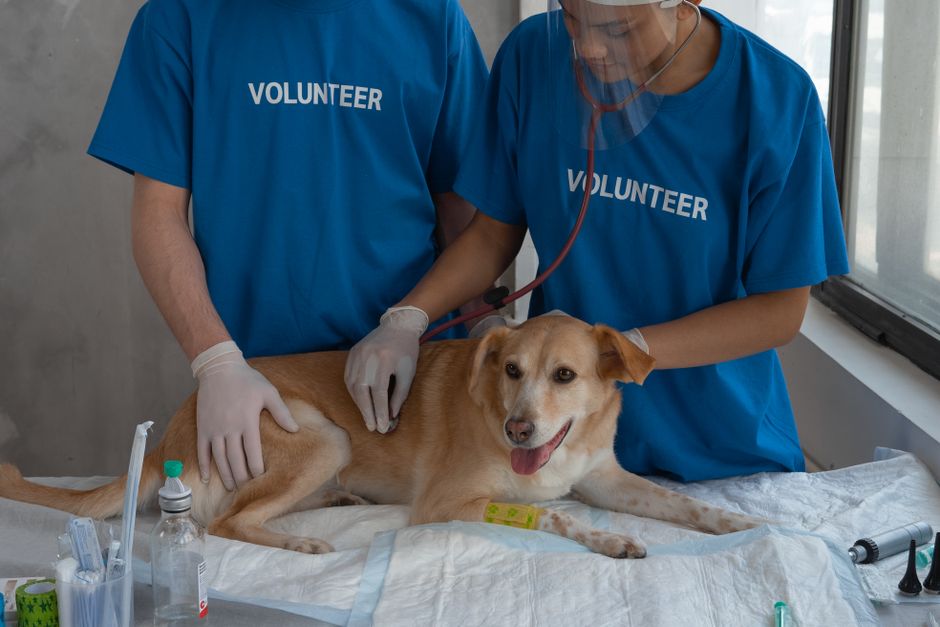
If you suspect your dog has come into contact with a potential toxin, time is of the essence. The sooner you seek veterinary care, the better the chances of a positive outcome. At Urbana Veterinary Clinic, our veterinary team is equipped to diagnose and treat a wide range of toxic exposures.
Diagnosis
Diagnosis often begins with a thorough history and physical examination. Our veterinarians will ask about your dog’s recent activities, possible access to toxins, and the onset of symptoms. In many cases, bloodwork and urinalysis are performed to assess organ function and detect abnormalities. We may also use advanced diagnostic tools available through our pet diagnostic laboratory services to identify specific toxins or evaluate the severity of poisoning.
Treatment
Treatment protocols depend on the type and amount of toxin involved. Common approaches include inducing vomiting (if appropriate and within a safe timeframe), administering activated charcoal to limit absorption, and providing intravenous fluids to support kidney and liver function. In cases of antifreeze poisoning, specific antidotes are required and must be given as soon as possible. For rodenticide exposure, treatments may involve vitamin K therapy, blood transfusions, or other supportive measures. If your dog has ingested mushrooms or other unknown toxins, hospitalization for close monitoring and supportive care is often necessary.
Throughout treatment, our veterinary professionals prioritize your dog’s comfort and safety, using the latest medical protocols and compassionate care.
Preventing Toxin Exposure: Fall Safety Tips for Dog Owners
While not all risks can be eliminated, there are many steps you can take to minimize your dog’s chances of encountering fall toxins in Urbana and surrounding communities.
Start by inspecting your yard and removing any visible mushrooms as soon as they appear. Keep your dog leashed when walking in parks or wooded areas, and discourage them from sniffing or eating unknown plants or fungi. Store rodenticides and antifreeze in secure locations, well out of your dog’s reach, and clean up any spills immediately. If you use rodent control products, opt for pet-safe alternatives whenever possible and monitor for evidence of dead rodents that your dog could find.
Be cautious with compost piles and avoid adding food scraps that could develop mold or attract pests. When using mulch, choose options that are safe for pets and avoid cocoa mulch altogether. Educate family members and visitors about the dangers of sharing human food with your dog, as some fall treats like chocolate or raisins are also toxic.
Regular supervision and a safe, dog-friendly environment are your best defenses against accidental poisoning during the autumn months.
When to Seek Veterinary Care for Suspected Poisoning
It’s always better to err on the side of caution when it comes to possible toxin exposure. If your dog is showing any unusual symptoms—such as vomiting, unsteady gait, excessive drooling, tremors, or seizures—or if you believe they may have ingested a suspicious substance, contact our team immediately. Bring any packaging, plant material, or other evidence with you to the appointment to help our veterinarians identify the toxin.
Prompt intervention saves lives, especially with fast-acting poisons like antifreeze and certain mushroom species. Even if your dog seems fine after a possible exposure, a pet wellness examination can provide peace of mind and allow our veterinary professionals to detect any early signs of illness.
If you need to schedule an appointment for toxin exposure or have questions about fall safety, you can request an appointment through our website for timely support.
Keeping Your Dog Safe This Fall: Final Thoughts and Local Support
As the leaves turn and cool weather settles over Urbana, your dog’s health remains our top priority at Urbana Veterinary Clinic. By staying alert to seasonal hazards like mushrooms, rodenticides, and antifreeze, you can help your dog enjoy autumn safely. Remember that quick action is key if you suspect your dog has ingested a toxin—our veterinary team is ready to help with comprehensive care and advanced diagnostics.
If you are searching for a "vet near me" that understands local risks and provides compassionate, expert care, our veterinarians are here for you. Don’t wait to act if you have any concerns about toxin exposure this fall. Reach out to Urbana Veterinary Clinic at (937) 653-7326, visit us at 985 Norwood Ave, Urbana, OH 43078, or conveniently request an appointment online. Together, we can keep your dog safe, healthy, and happy throughout the autumn season and beyond.