Best Homemade Dog Food: Vet Tips for Urbana Pet Owners

Best Homemade Dog Food: Vet Tips for Urbana Pet Owners
If you have ever considered making homemade meals for your dog, you are not alone. More pet owners in Urbana, OH, are searching for the best homemade dog food recipes to give their pets the healthiest, happiest lives possible. At Urbana Veterinary Clinic, we understand the strong desire to take a hands-on approach to your dog’s nutrition. Our team is here to help you make informed decisions, avoid common pitfalls, and ensure your dog receives balanced, safe meals. This guide explores what makes the best homemade dog food, how to meet your pet’s nutritional needs, and when to consult your veterinary team before making diet changes. Whether you live right here in Urbana or in one of our surrounding communities, we want you to feel confident about your dog’s diet and overall well-being.
Recognizing When Homemade Dog Food Might Be Right for Your Dog
Many pet owners start exploring homemade diets when concerns about commercial dog food arise or if their dog has specific health needs. Signs that your dog might benefit from a homemade diet include chronic digestive issues, food allergies, or refusing to eat certain commercial foods. Other times, you may simply want the peace of mind that comes from knowing every ingredient in your dog’s bowl. Dogs with medical conditions such as kidney disease, pancreatitis, or obesity may require specialized diets, and in some cases, a vet-guided homemade meal plan is the best route. However, it is important to remember that not every dog needs homemade food, and making dietary changes without proper guidance can sometimes do more harm than good.
Understanding Canine Nutrition: Why Balanced Homemade Dog Food Matters
The best homemade dog food is more than just a blend of meats, grains, and vegetables. Dogs need specific amounts of protein, fat, carbohydrates, vitamins, and minerals for optimal health. It is common for well-intentioned pet owners to miss critical nutrients when preparing meals at home. For example, calcium, phosphorus, and certain essential fatty acids are often lacking in DIY recipes found online. Dogs require a delicate balance of these nutrients to support bone health, muscle function, organ development, and immune system function. Puppies, adults, and senior dogs all have different nutritional needs, so age-appropriate formulations are essential. Additionally, some ingredients that are safe for people can be toxic to dogs, such as onions, garlic, grapes, and chocolate. Even certain grains or proteins may trigger allergies in sensitive dogs. To avoid these risks, working with a veterinarian is the safest way to ensure your dog’s diet is complete and properly balanced.
Creating the Best Homemade Dog Food: Vet-Recommended Approaches
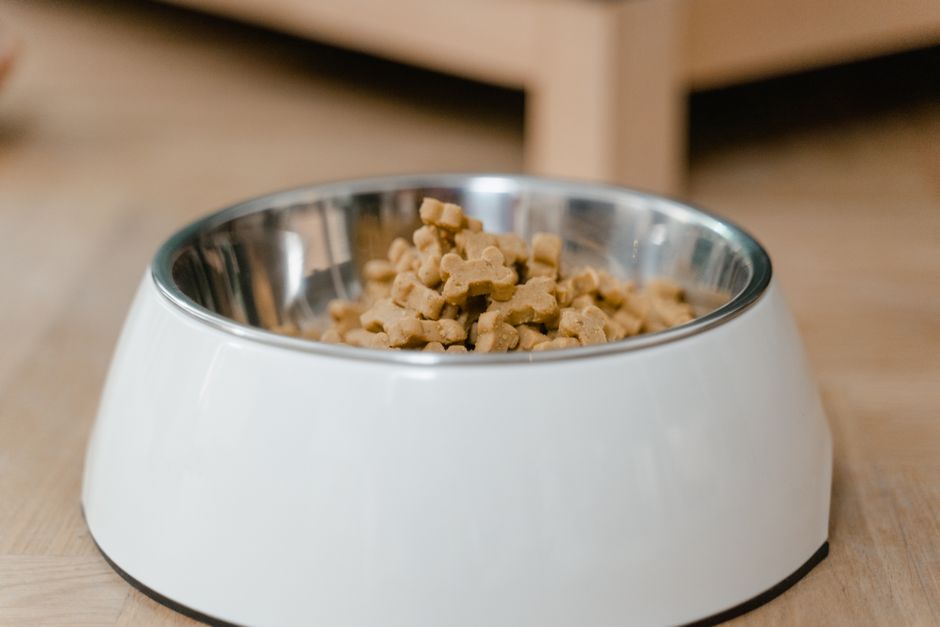
When striving for the best homemade dog food, a thoughtful and science-based approach is key. The safest method always begins with a consultation with your veterinary team. We can help you identify your dog’s unique needs based on their breed, age, weight, activity level, and any underlying health conditions. Common components of a balanced homemade dog food recipe include lean meats like chicken, turkey, or beef, complex carbohydrates such as rice or sweet potatoes, and a variety of vegetables that are safe for dogs. However, the proper ratios and preparation methods matter just as much as the ingredients themselves. Homemade recipes often require specific supplements, such as calcium and multivitamins, to prevent nutritional deficiencies. Our veterinarians can recommend trusted supplement brands and provide precise dosing instructions.
It is also important to note that certain homemade diets, especially those involving raw ingredients, can carry risks of bacterial contamination or even exposure to diseases such as avian influenza. We encourage pet owners to stay informed about current food safety concerns. For example, there have been recent recalls involving raw dog foods due to the risk of bird influenza. For more information, we recommend reviewing this important update about bird influenza in raw dog food recalls.
Common Mistakes and How to Avoid Them in Homemade Diets
Mistakes with homemade dog food most often occur when recipes are not properly balanced or when well-meaning pet owners substitute ingredients without understanding their nutritional impact. Problems can arise when recipes lack essential fatty acids, contain too much or too little protein, or fail to provide enough calcium. Some pet owners may inadvertently include foods that are harmful to dogs, such as macadamia nuts, raisins, or artificial sweeteners like xylitol. Symptoms of nutritional deficiencies can develop gradually and include poor coat quality, recurring infections, weak bones, or digestive upset. Over time, these deficiencies may lead to more severe health problems, including organ damage or developmental delays in puppies.
To avoid these pitfalls, always use recipes developed or reviewed by a veterinarian or a board-certified veterinary nutritionist. Avoid relying solely on internet sources or anecdotal recommendations. If you are unsure about a particular food or supplement, ask your veterinary team for guidance before introducing it to your dog’s diet.
The Role of Preventive Veterinary Care in Homemade Diet Success
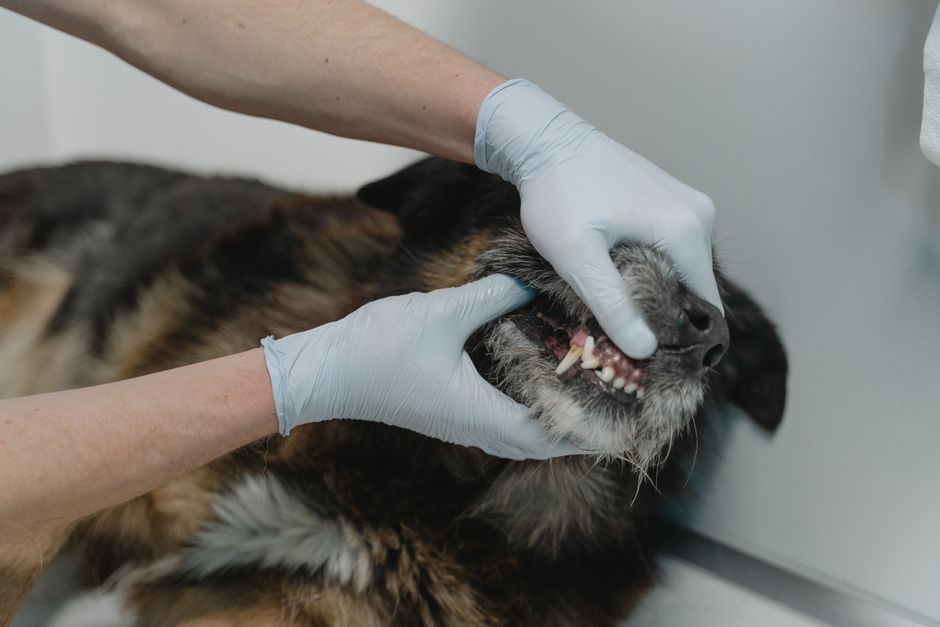
Regular veterinary visits are an essential part of any homemade dog food plan. During annual or semi-annual checkups, our veterinarians can monitor your dog’s weight, body condition, dental health, and laboratory values to ensure their nutritional needs are being met. If your dog is on a homemade diet, these appointments are especially important for spotting early signs of deficiencies or imbalances. In addition to nutritional counseling, preventive measures such as pet vaccinations protect your dog from infectious diseases, which is particularly important if their immune system is compromised due to diet-related issues. Keeping up with routine veterinary care helps you stay ahead of potential problems and ensures your homemade dog food plan supports your dog’s overall health.
How to Transition Your Dog to a Homemade Diet Safely
Switching your dog from commercial food to homemade meals should be a gradual process. Abrupt changes can lead to digestive upset, including vomiting, diarrhea, or loss of appetite. A safe transition involves slowly mixing small amounts of the new homemade food with your dog’s current diet over a period of 7 to 10 days, gradually increasing the proportion of homemade food as your dog adjusts. Throughout this transition, monitor your dog closely for changes in stool quality, energy levels, and appetite. If any concerns arise, consult your veterinarian promptly. For dogs with sensitive stomachs or existing health conditions, your veterinary team may recommend an even slower transition or additional dietary adjustments.
When to Contact Your Veterinarian About Homemade Dog Food
It is important to involve your veterinarian at every stage of planning and preparing homemade dog food. If you notice signs such as persistent vomiting, diarrhea, unexplained weight loss, excessive thirst, or changes in behavior, reach out to our veterinary team right away. These symptoms may indicate a dietary imbalance, food intolerance, or an unrelated medical condition that needs prompt attention. Additionally, if you are considering a homemade diet for a puppy, senior dog, pregnant or nursing female, or a dog with chronic health issues, professional guidance is essential. Our veterinarians can recommend appropriate recipes, monitor your dog’s health, and make adjustments as needed to ensure their long-term well-being.
Supporting Your Dog’s Health With the Best Homemade Dog Food in Urbana, OH
Homemade dog food can be a rewarding and healthy option for some pets, but it must be approached thoughtfully and with professional support. At Urbana Veterinary Clinic, our goal is to help you make the best choices for your dog’s unique needs. We encourage you to schedule an appointment with our veterinary team to discuss your interest in the best homemade dog food, review your dog’s current health status, and develop a nutrition plan that supports their health for years to come. Our veterinary professionals are here to answer your questions, help you avoid common pitfalls, and provide the resources you need for safe, balanced homemade meals.
If you are searching for a vet near me who understands the importance of custom nutrition and preventive care, Urbana Veterinary Clinic is ready to help. Contact us at (937) 653-7326 or visit us at 985 Norwood Ave, Urbana, OH 43078 to schedule your nutrition consultation. For more details about keeping your dog protected and healthy, explore our pet vaccinations page. Together, we can ensure your dog enjoys all the benefits of the best homemade dog food, tailored just for them.