What Happens During a Pet Spay or Neuter Surgery?

What Happens During a Pet Spay or Neuter Surgery?
If you’re considering a spay or neuter surgery for your dog or cat, you probably have plenty of questions—what’s actually involved, how safe it is, and what your pet’s recovery will look like. At Urbana Veterinary Clinic, we know how important these decisions are for families in Urbana, OH and surrounding communities. As a trusted vet near me, our team of veterinarians is committed to making the process transparent and comfortable for both you and your pet. In this blog, we’ll walk you through what to expect before, during, and after a spay or neuter procedure, share helpful pet surgery recovery tips, and explain why these surgeries are one of the most important steps you can take for your pet’s long-term health.
Whether you’re scheduling a routine procedure or just starting to explore the benefits, understanding each stage will help you feel prepared and confident in your choices. You’ll also find location-specific information about spay and neuter services in Urbana, so you know you’re accessing quality care right in your community. If you’re looking for more details on how we prioritize your pet’s safety during every procedure, you can explore our surgery safeguards and protocols as well.
Recognizing the Need for Spay or Neuter Surgery in Urbana
Every pet owner wants the best for their companion, and choosing spay or neuter surgery in Urbana is a proactive step in supporting your pet’s health and happiness. But how do you know when it’s the right time, or whether your pet is a good candidate for the procedure? Most puppies and kittens can be spayed or neutered as early as a few months old, but individual recommendations may vary depending on breed, size, and overall health. Signs that your pet may be ready for the procedure include reaching sexual maturity, which often brings behavioral changes such as roaming, marking territory, or increased vocalization.
For local pet owners searching for spay or neuter vet near me, it’s helpful to recognize that these surgeries are not just about population control—they also minimize the risk of certain cancers and infections. In female pets, spaying before the first heat cycle dramatically reduces the risk of uterine infections and mammary tumors. For males, neutering can prevent testicular cancer and reduce unwanted behaviors. If you’re unsure whether your pet is at the right stage, our veterinary professionals can provide a comprehensive examination and personalized advice during your visit.
Why Spay and Neuter Surgery Matters: Health, Behavior, and Community Impact
Choosing spay and neuter surgery in Urbana is about much more than preventing unwanted litters. This routine pet surgery brings wide-ranging benefits for your pet’s quality of life and the broader community. One of the main reasons veterinarians recommend spaying and neutering is disease prevention. Spaying eliminates the risk of pyometra, a life-threatening uterine infection, and greatly decreases the likelihood of mammary cancer in female dogs and cats. Neutering male pets helps prevent prostate problems and testicular cancer, and it can reduce behaviors like aggression, spraying, and the urge to wander.
The impact extends beyond your own household as well. Preventing unplanned litters reduces the number of homeless pets in Urbana and surrounding communities, easing the burden on local shelters and rescue groups. For owners seeking veterinary services near me, spay and neuter procedures are a cornerstone of responsible pet ownership and community well-being. Additionally, these surgeries may help reduce the spread of contagious diseases, since pets are less likely to roam and interact with unknown animals.
What to Expect: The Spay and Neuter Surgery Process in Urbana
Preparing for Surgery
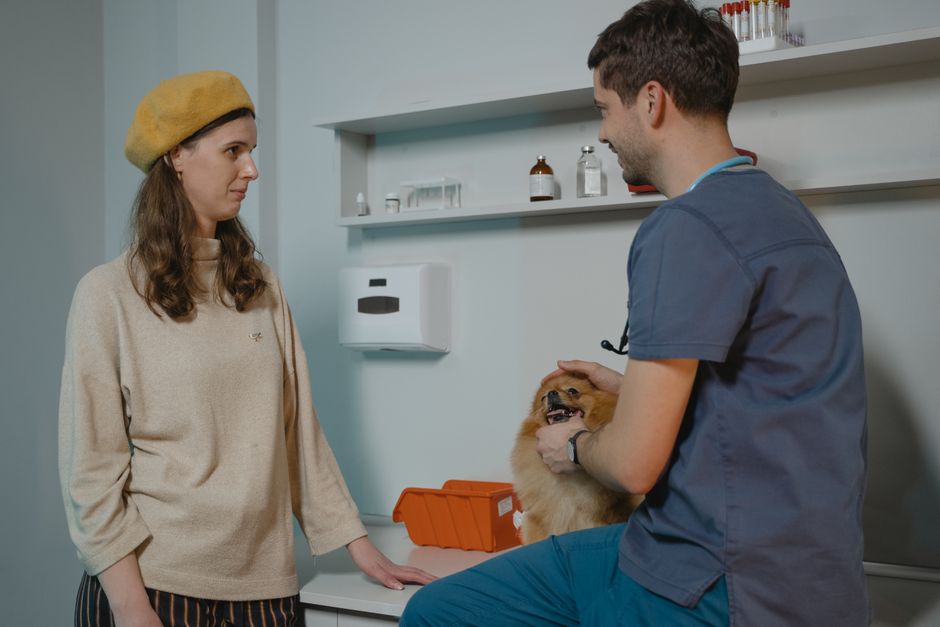
Before your pet’s spay or neuter surgery in Urbana, you’ll start with a pre-surgical consultation with our veterinary team. This visit allows us to perform a thorough health check, answer your questions, and discuss the procedure step by step. Pre-surgical bloodwork is commonly recommended to assess your pet’s organ function and ensure they’re an appropriate candidate for anesthesia. The night before surgery, you’ll usually be asked to withhold food after a certain time—our veterinarians will provide clear guidelines during your appointment.
On the day of the procedure, your pet will be admitted to Urbana Veterinary Clinic, where our experienced veterinarians will monitor them closely. We utilize advanced monitoring and safety protocols throughout every step of the surgery. To learn more about how we keep your pet safe, visit our page on surgery safeguards and protocols.
During the Procedure
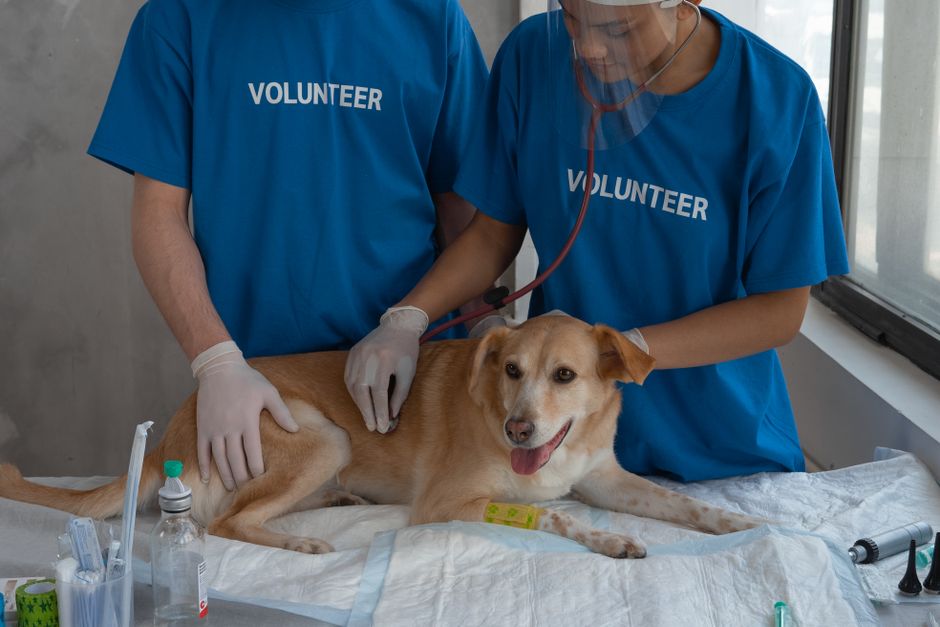
A spay surgery, also known as an ovariohysterectomy, involves removing the ovaries and uterus in female pets. Neuter surgery, or orchiectomy, removes the testicles in males. Both are performed under general anesthesia, and your pet will be continuously monitored for heart rate, breathing, and comfort throughout the procedure. In female pets, the veterinarian makes a small incision in the abdomen, carefully removes the reproductive organs, and closes the incision with dissolvable sutures or skin glue. For male pets, the incision is typically smaller and the recovery is often quicker.
Our veterinary professionals use sterile techniques and pain management tailored to your pet’s needs. Most spay and neuter surgeries are completed within a couple of hours, and your pet will be monitored as they wake up from anesthesia. As a top-quality veterinary services provider in Urbana, we prioritize minimizing stress and ensuring a smooth recovery from the moment your pet arrives until they’re ready to go home.
After Surgery: Immediate Recovery
Following the procedure, your pet will stay with us for observation until they’re alert and stable. You’ll receive detailed discharge instructions, including how to monitor the incision, what signs to watch for, and when to schedule a follow-up visit. For pet owners searching for pet surgery recovery tips in Urbana, knowing what to expect in those first few days can make all the difference. Most pets are able to return home the same day, although some may benefit from staying overnight in certain cases.
Pet Surgery Recovery Tips: Helping Your Pet Heal at Home
A smooth and comfortable recovery at home is just as important as the surgery itself. The first few days after spay or neuter surgery are critical for healing, and there are several steps you can take to support your pet’s recovery. Your veterinarian will provide pain medication to ensure your pet remains comfortable, and it’s essential to administer all medications as directed. Limiting activity is one of the most important factors—short, supervised potty breaks are advised, but running, jumping, and rough play should be avoided until your veterinarian gives the all-clear.
Monitoring the incision site daily is crucial. Signs of normal healing include minimal redness, slight swelling, and a closed incision. If you notice persistent bleeding, discharge, severe swelling, or your pet seems excessively lethargic or uncomfortable, call your veterinarian right away. Additional pet surgery recovery tips involve using an Elizabethan collar or recovery suit to prevent licking or chewing at the incision, which helps avoid infections and complications.
Keeping your pet’s environment calm and quiet is also beneficial during recovery. Create a cozy space with their favorite bed and keep other pets or young children from disturbing them. Feeding a small meal a few hours after returning home is usually recommended; however, some pets may have a reduced appetite immediately following anesthesia. If appetite does not return within 24 hours, contact your veterinarian for guidance.
For more information about the spay and neuter process, you can visit our spaying and neutering services page for Urbana and surrounding communities.
Preventive Home Care and Long-Term Benefits
Supporting your pet’s recovery after spay or neuter surgery involves a partnership between your family and our veterinary team. Consistent home care, such as administering medications, restricting activity, and monitoring the incision, will help your pet heal quickly and comfortably. In the weeks following surgery, you’ll notice positive changes in your pet’s behavior and overall well-being. Spayed and neutered pets are often calmer and less likely to engage in disruptive or risky behaviors, making for a happier household.
Long-term, the benefits of spay and neuter surgery in Urbana extend to both health and lifestyle. Your pet’s risk of certain cancers and infections is greatly reduced, and you’ll avoid the stress of managing heat cycles or accidental pregnancies. With ongoing veterinary care, including annual wellness exams and preventive screenings, your pet will enjoy the best chance at a long, healthy life. For those searching for the best vet team near me, choosing a clinic focused on comprehensive, preventive care makes a lasting impact.
When to Contact Your Veterinarian: Signs That Need Attention
While most pets recover smoothly from a spay or neuter procedure, it’s important to know when to reach out for professional support. Warning signs to watch for include persistent vomiting or diarrhea, refusal to eat for more than a day, severe lethargy, difficulty breathing, or signs of pain that do not improve with medication. Additionally, any significant swelling, discharge, or separation at the incision site should prompt a call to your veterinarian.
Your veterinary professionals are always available to address your concerns, whether you have a question about normal healing or notice something unusual during recovery. If your pet’s behavior changes suddenly or you’re unsure if a symptom is cause for concern, it is always better to err on the side of caution and schedule an appointment. Prompt attention from a quality vet near me can make all the difference in your pet’s recovery.
Spay and Neuter Surgery in Urbana: Compassionate Care Starts Here
Spaying or neutering your pet is an act of love that protects their health and supports the well-being of the Urbana community. At Urbana Veterinary Clinic, our veterinary team is dedicated to providing a safe, comfortable, and supportive experience for every pet and pet owner. From the initial consultation to the last day of recovery, we’re here to answer your questions and guide you through each step.
If you’re ready to schedule a spay or neuter surgery in Urbana, or if you need more pet surgery recovery tips tailored to your companion, we invite you to contact us today. You can always reach our team at (937) 653-7326, or visit us in person at 985 Norwood Ave, Urbana, OH 43078 for a friendly, informative consultation. For additional details about our protocols and comprehensive approach to pet surgery, explore our surgery safeguards and protocols.
Your pet deserves the best in veterinary services near me. With our experienced veterinarians and a compassionate approach, Urbana Veterinary Clinic is your trusted destination for every stage of your pet’s life. We look forward to supporting your pet’s health and your peace of mind, every step of the way.
Disclaimer: This article is for educational purposes only and does not replace professional veterinary advice. Always consult with your veterinarian for personalized recommendations and care regarding your pet’s health and surgical needs. For more information on spay and neuter surgery or to schedule a consultation, contact Urbana Veterinary Clinic today.